Laundered reusable absorbent contracts quietly cost manufacturers six figures a year. Wastebits transitions facilities to single-use products with Alternative Engineered Fuel (AEF) processing — cutting costs by up to 96% while maintaining certified landfill diversion.
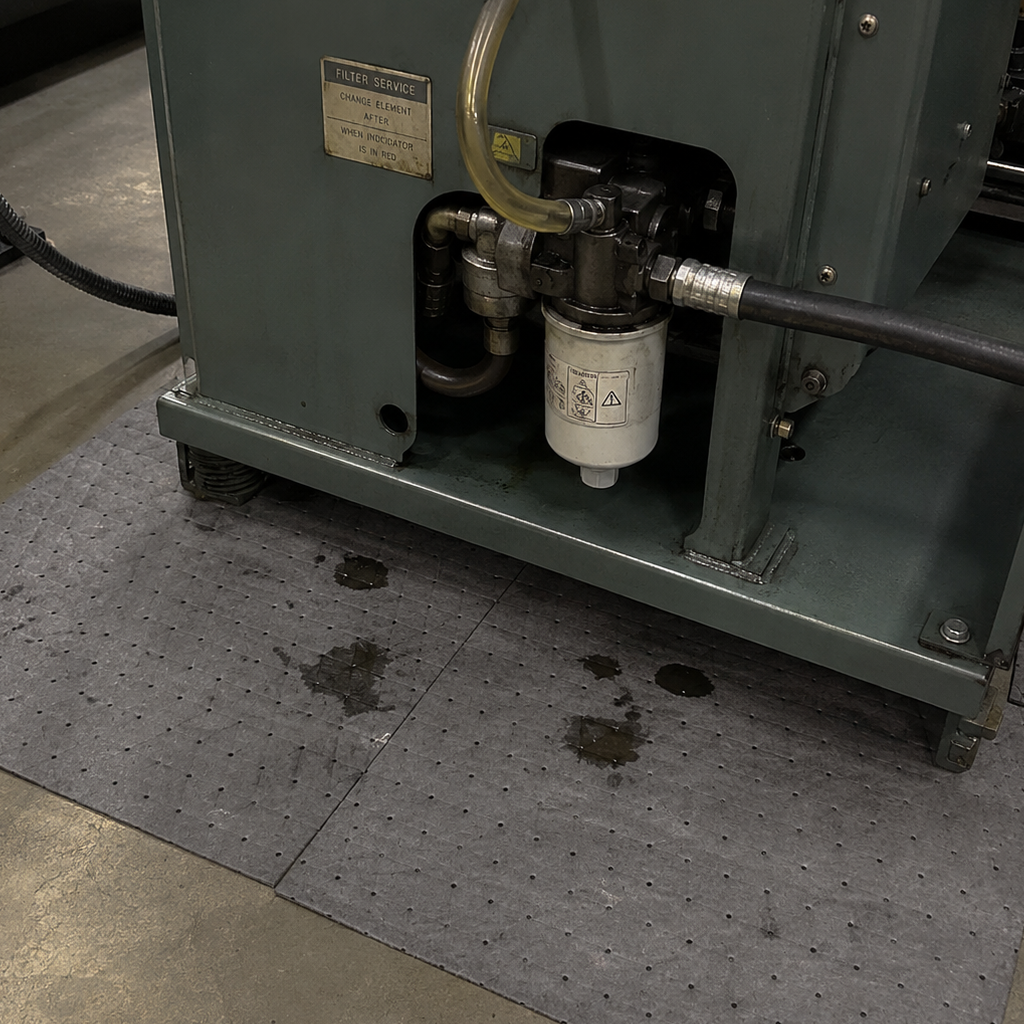
Laundered absorbent service contracts look simple — but they include fixed fees that increase annually regardless of consumption, products that degrade with every wash cycle, and schedules dictated by the vendor, not your production floor.
A growing number of manufacturers are discovering that single-use disposable absorbents, paired with Alternative Engineered Fuel (AEF) processing, deliver dramatically lower costs, better performance, and an equally strong sustainability profile.
Wastebits manages the full transition: product sourcing, floor collection workflows, AEF processor coordination, and landfill diversion documentation.
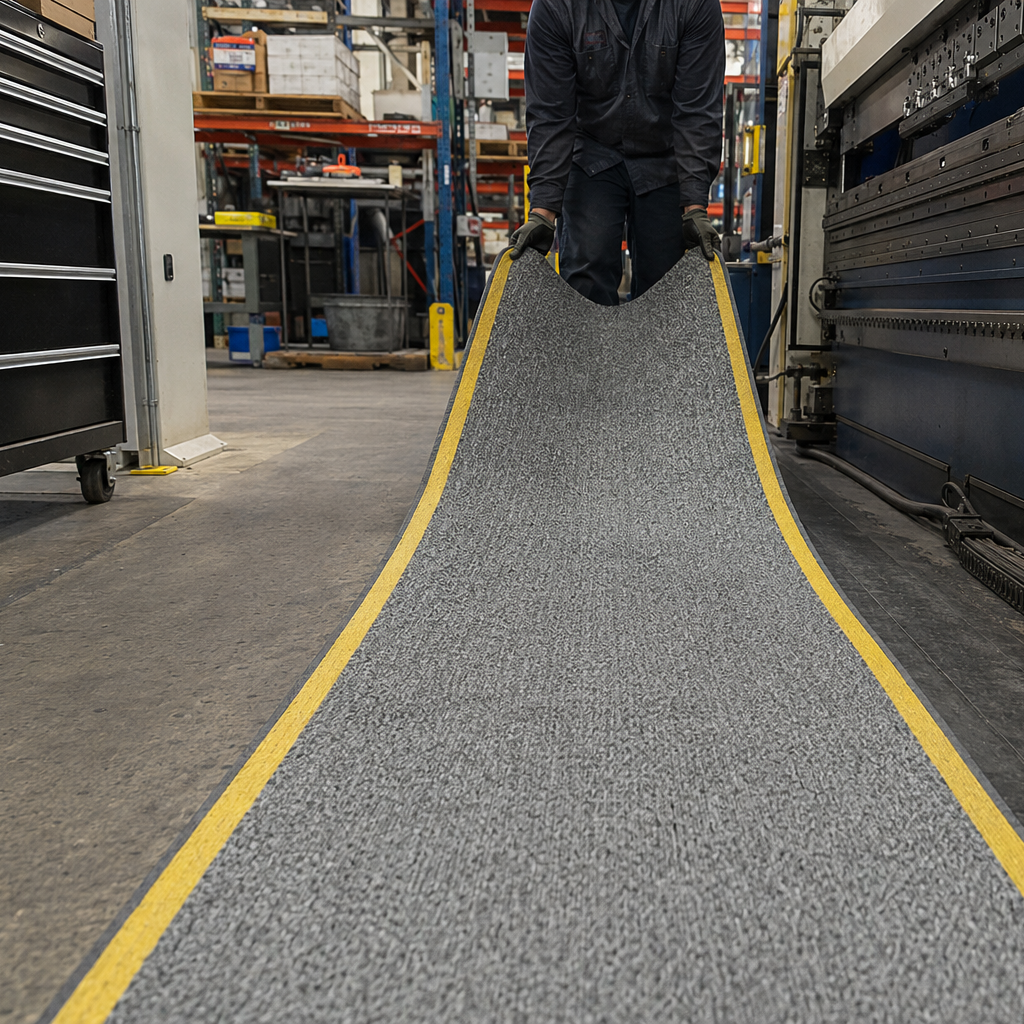
We replace the laundering cycle entirely. Fresh product every use, spent absorbents converted to fuel — not landfilled.
Buy high-quality single-use absorbent mats, pads, socks, and rolls at commodity pricing. Pay for what you use — no fixed service contract, no annual escalators.
Every product is new. No degradation from repeated wash cycles, no cross-contamination risk from shared industrial laundering facilities.
Purchasing and collection run on your timeline. No more vendor-controlled pickup windows or inventory shortages because the truck didn't show.
Spent absorbents are bulked and processed as AEF — converted into fuel for cement kilns and industrial applications. Energy recovered, not wasted.
AEF processing generates formal landfill diversion certification, supporting zero-waste-to-landfill goals and corporate sustainability reporting requirements.
Wastebits handles everything — product sourcing, floor workflow changes, processor coordination, and documentation. You stay focused on production.
Cost reduction in the first month after transition
Projected annual savings at a single facility
Landfill impact — certified AEF diversion maintained
AEF is a waste-derived fuel created by processing industrial byproducts — including oil-saturated absorbents, textiles, and combustible waste materials — into a consistent fuel source for cement kilns and other high-temperature industrial processes. AEF processing diverts waste from landfills while recovering the embedded energy value in used absorbents. Facilities receive formal landfill diversion certification, which supports zero-waste-to-landfill goals and ESG reporting.
It depends on end-of-life management. Laundered programs carry a footprint that is frequently overlooked: significant water and chemical solvent use per cycle, energy-intensive industrial washing and drying, and dedicated truck routes on fixed schedules regardless of actual volume. Single-use products routed to AEF processing convert that waste into fuel — recovering embedded energy rather than burning it off in a laundry facility. When accounting for the full lifecycle, the AEF model can be equally or more favorable.
The single-use + AEF model works best when your laundered absorbent contract exceeds $100,000 per year, your production involves heavy oil, coolant, or solvent use, you have zero-waste-to-landfill goals or sustainability reporting requirements, or the quality of laundered-return products has noticeably declined. Talk to a Wastebits expert and we'll audit your current program at no cost.
Wastebits handles the full transition end-to-end: evaluating your current program, sourcing single-use products, setting up floor collection workflows, coordinating AEF processing logistics, and providing landfill diversion documentation for your sustainability reporting. Most facilities are fully transitioned within a few weeks.
Wastebits will audit your current program at no cost — and show you exactly what the single-use + AEF model would look like for your facilities.
Our sustainability team manages the full transition: product sourcing, floor workflows, AEF processing coordination, and landfill diversion documentation for your ESG reporting.
Request a Sustainability Consultation